Consider the traditional model of international aid. For decades, the script was incredibly simple. Well-meaning teams board a plane, fly to a developing nation, distribute food or supplies to those in need, and return home. It is a system built almost entirely on foreign intervention. When Christi and Craig Gabhart moved to Haiti full time in 2014, this was the established rhythm. Many Hands hosted volunteer teams for three quarters of the year. The system worked. Or at least, it appeared to work.
But what happens when the flights stop?
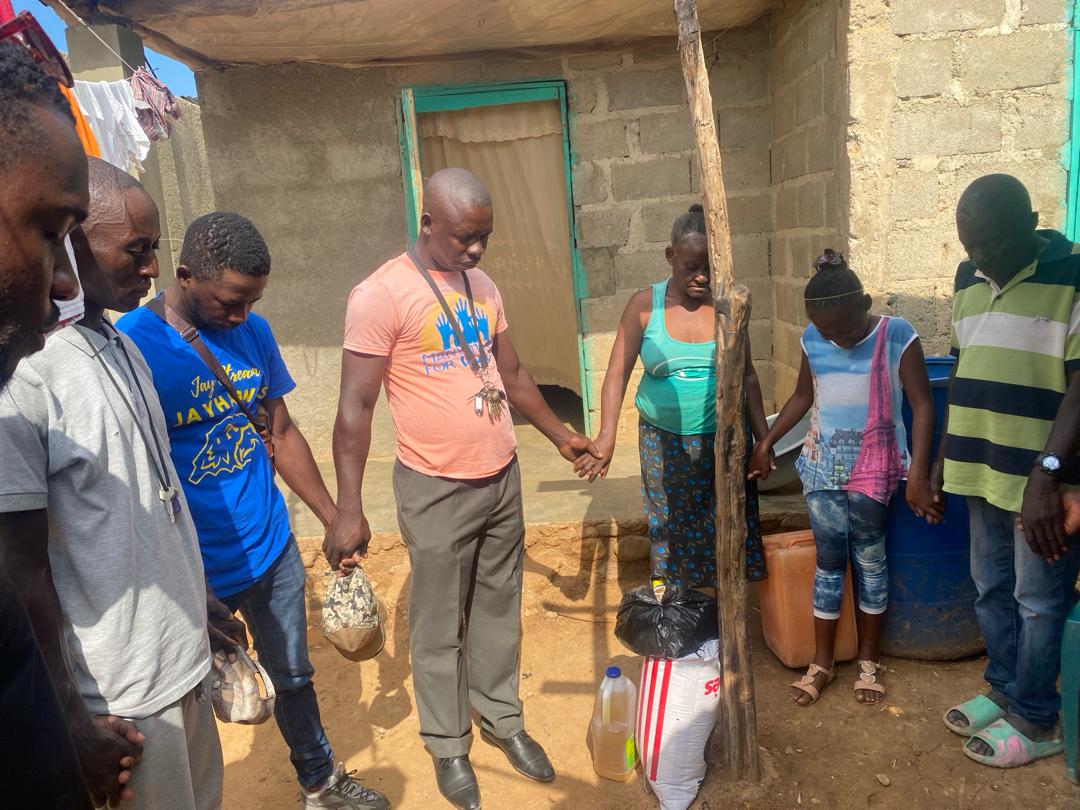
When the pandemic halted international travel, conventional wisdom suggested that local relief efforts would grind to a halt. Without teams coming from the United States, how could the work continue? Instead, the exact opposite occurred. The absence of foreign volunteers did not break the model. It revealed a hidden strength within the local community that had been waiting to be unleashed. Haitian staff members approached their leadership with a realization. They missed the act of blessing their neighbors.
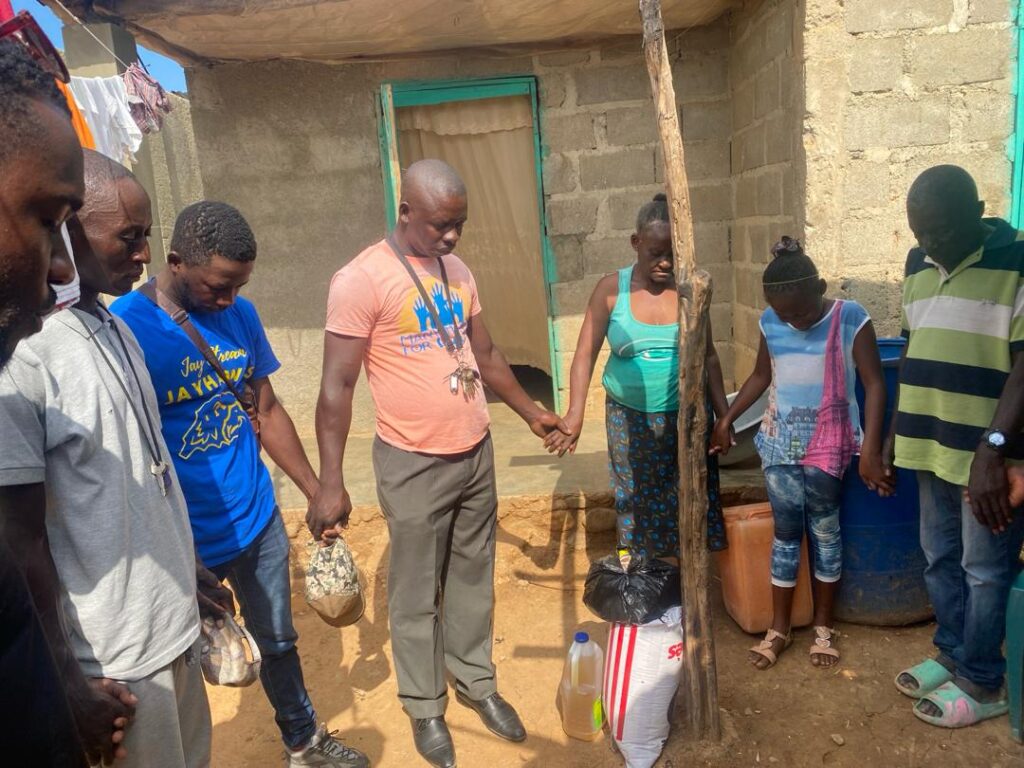
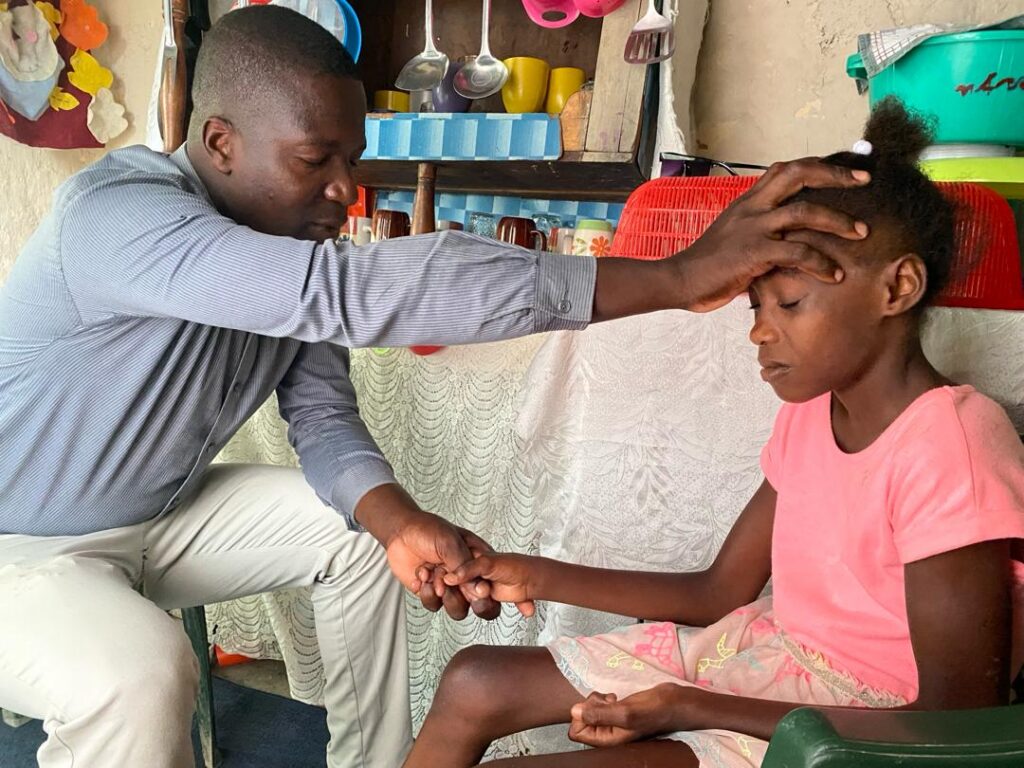
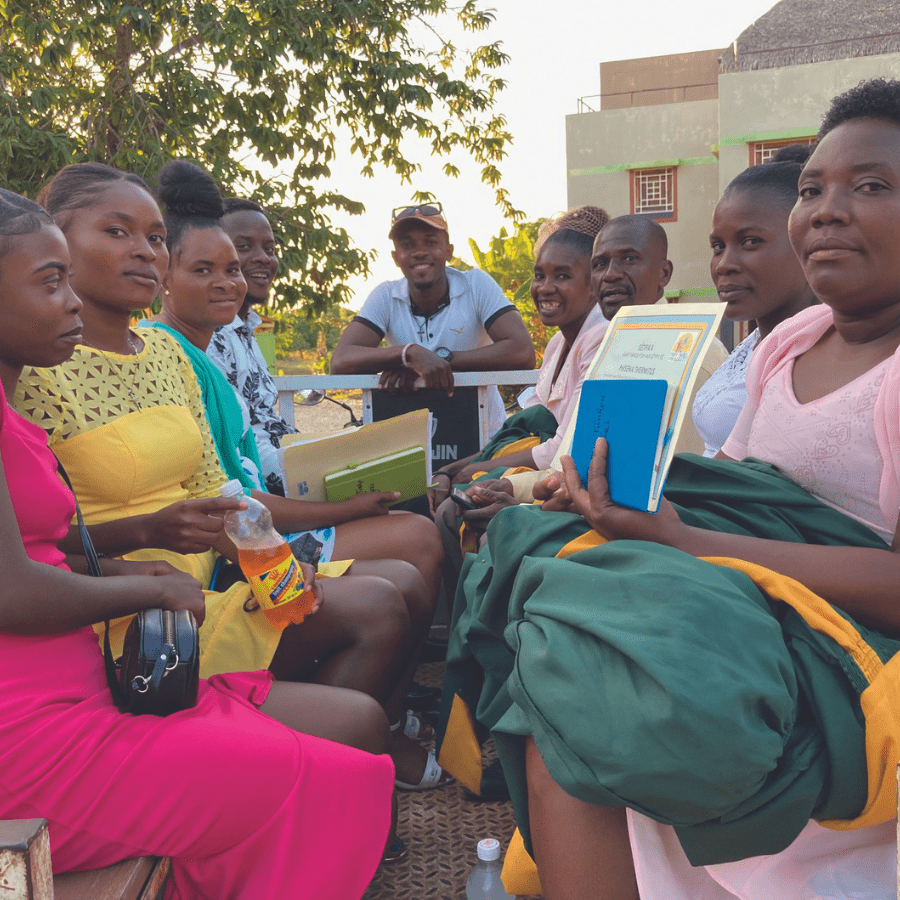
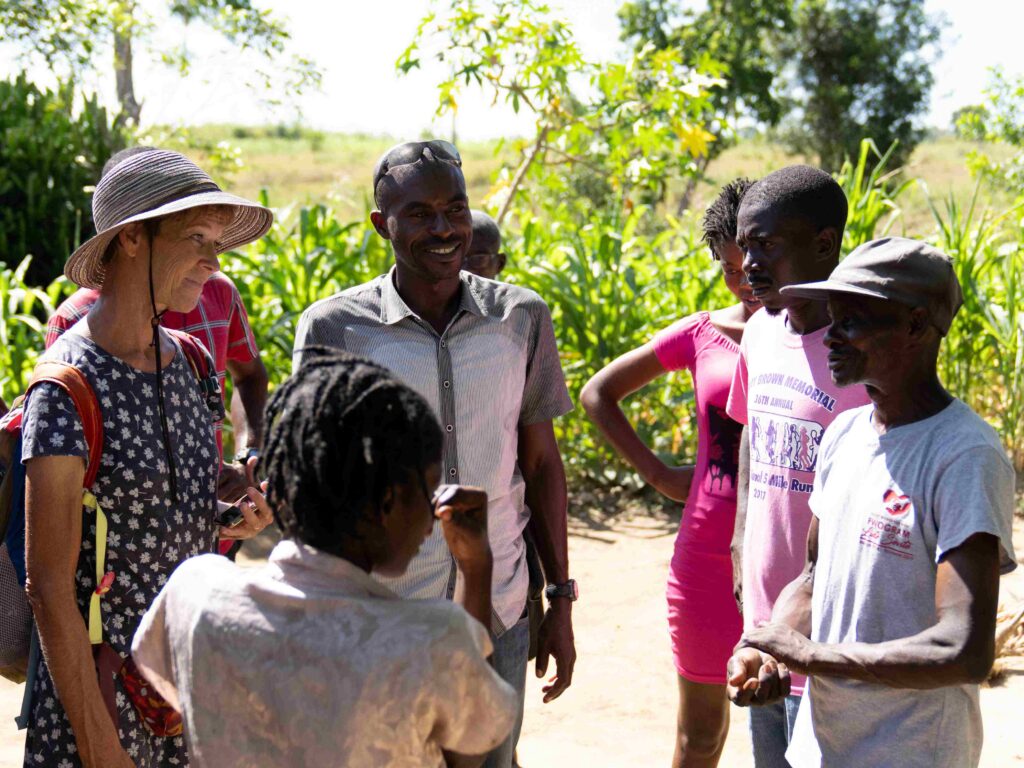
So, Many Hands made a radical pivot. Instead of U.S. teams distributing gifts, they empowered their own Haitian staff to respond to local crises, like a family illness or a sudden death. The disruption perfected the system. It shifted the power dynamic from foreign benefactors to local leaders, building a level of deep, authentic community trust that outside teams simply cannot replicate.
This brings us to a fundamental misunderstanding about how poverty is actually alleviated. We are wired to want tangible, highly visible results. We want to see a new building go up. We want to see the immediate smile when a gift is handed over.
But as Christi points out, the most important work is often completely invisible.
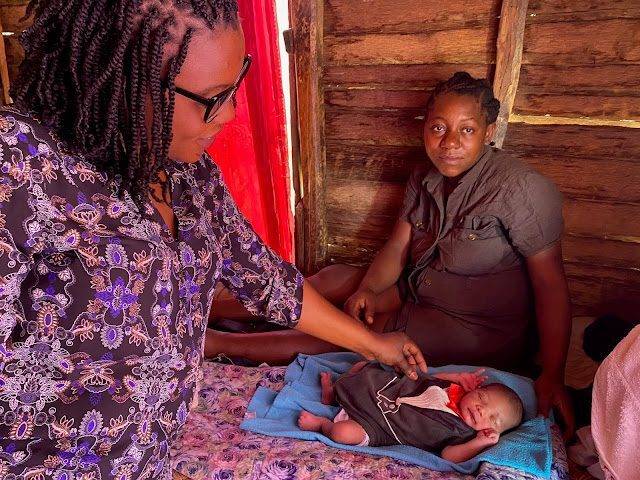
Take the First Thousand Days program. It focuses on pregnant mothers and children up to age two. The goal is to improve prenatal care, encourage breastfeeding, and monitor cognitive development. You cannot take a picture of cognitive development. It is unseen. It requires slow, unglamorous work, repeatedly teaching young mothers the science of nutrition and health when they have only ever known the methods passed down by their own mothers.
Even when the work is visible, it often reveals the staggering depth of the problem. A dirt floor is not just a sign of poverty. It is a persistent public health hazard. Pouring a simple concrete floor guarantees an immediate health benefit by eliminating the environment where parasites thrive. And for those in the most dangerous situations, Many Hands builds completely new homes.
Yet, solving one problem often simply exposes the next. Christi shared the story of a mother of six who recently received a newly built, secure home. She finally had a roof that would not cave in. But when she walked inside, she pointed out a heartbreaking reality. She had absolutely nothing to put in the house. The physical shelter was complete, but the systemic need continued.
The lesson here is one of endurance. You cannot fix everything for everyone, and the list of needs will never end. But you can build a resilient system of local empowerment that outlasts any single crisis.
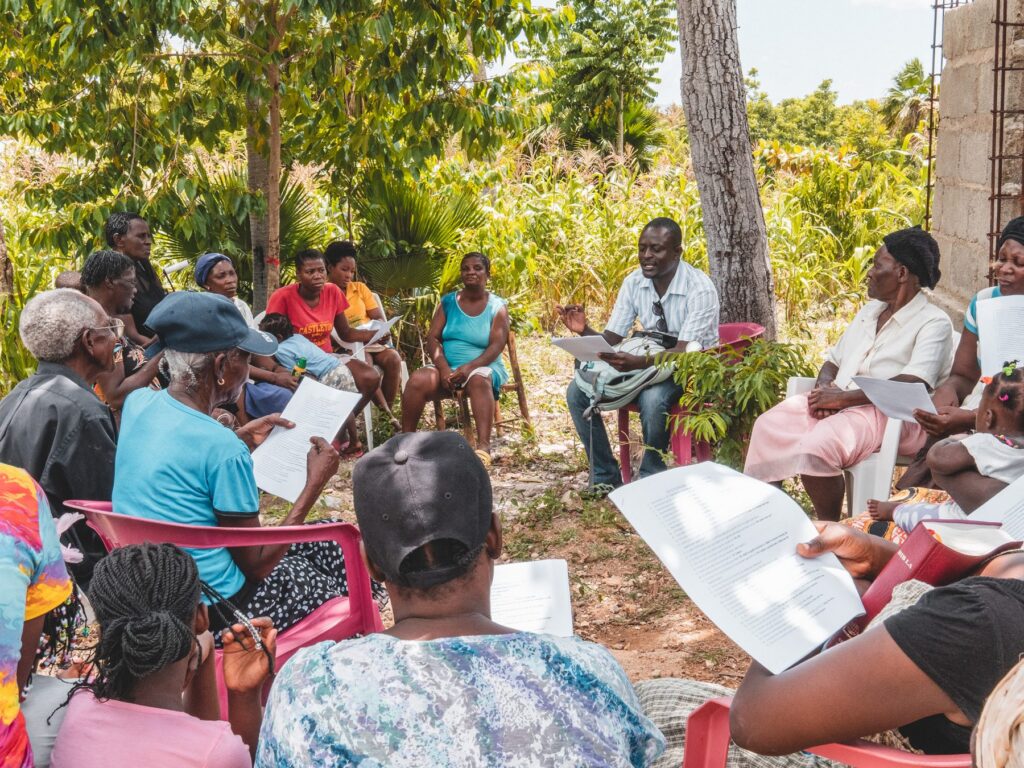
Today, Many Hands does not rely on a handful of missionaries to do the heavy lifting. They employ 143 Haitian staff members. These are the people leading the weekly Bible studies, managing the agriculture programs, and doing the daily, grinding work of transformation.
If we want to see lasting change in places like Haiti, we have to rethink our role in the story. The goal is no longer to be the hero flying in for a week. The goal is to provide the steady, reliable fuel that allows the indigenous leaders to do their jobs. That is what monthly partnership looks like. It is the quiet, consistent funding that empowers local leaders to keep running the race, long after the dramatic headlines fade.
About Many Hands:
Many Hands is an Iowa-based nonprofit dedicated to transforming together, to be in action, in a broken world. We desire to walk alongside the community and empower individuals and families by focusing on education, agriculture, leadership, safe structures, youth programs, and early childhood development. Together, we can rebuild lives and restore hope, one person, one family, one community, at a time.