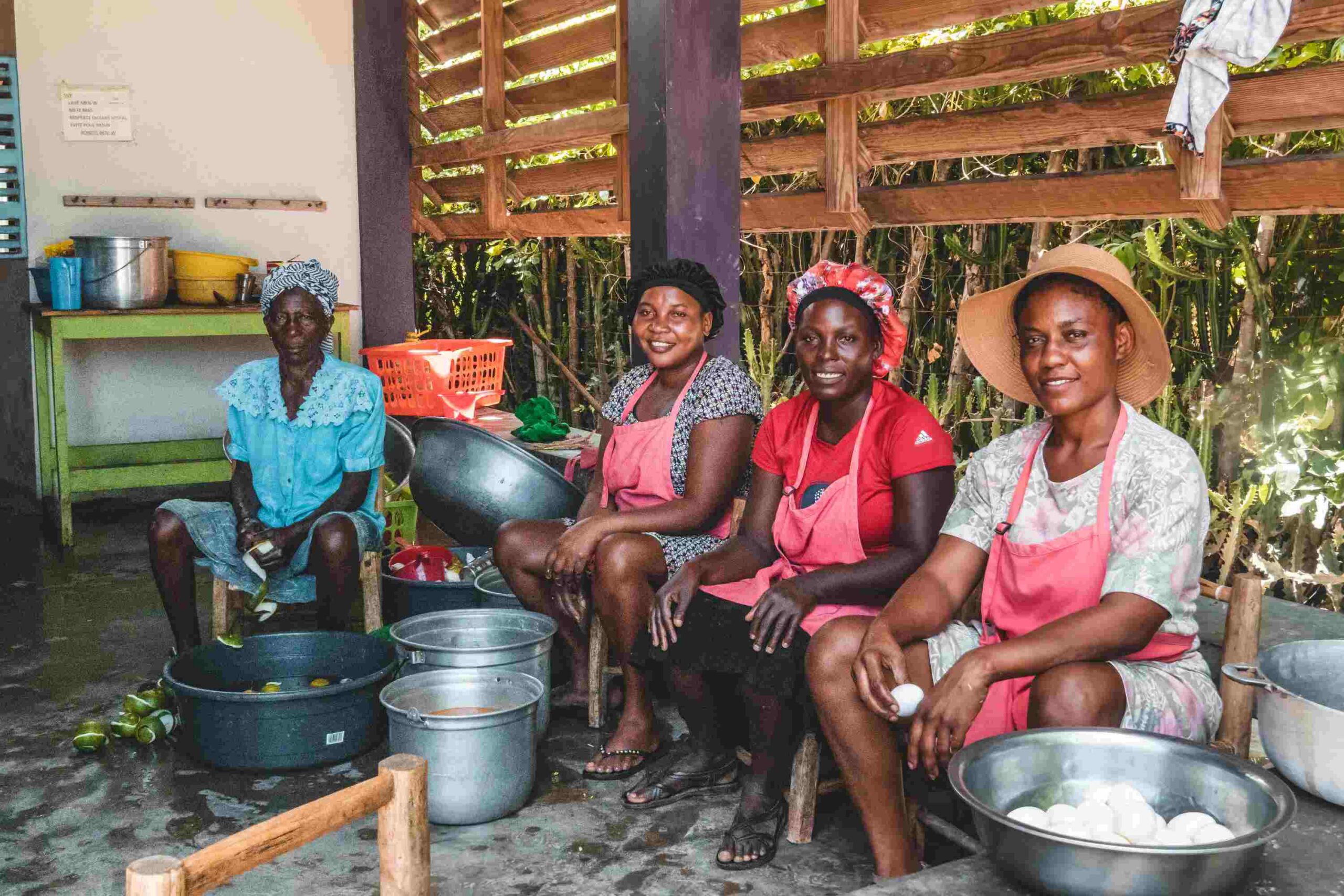
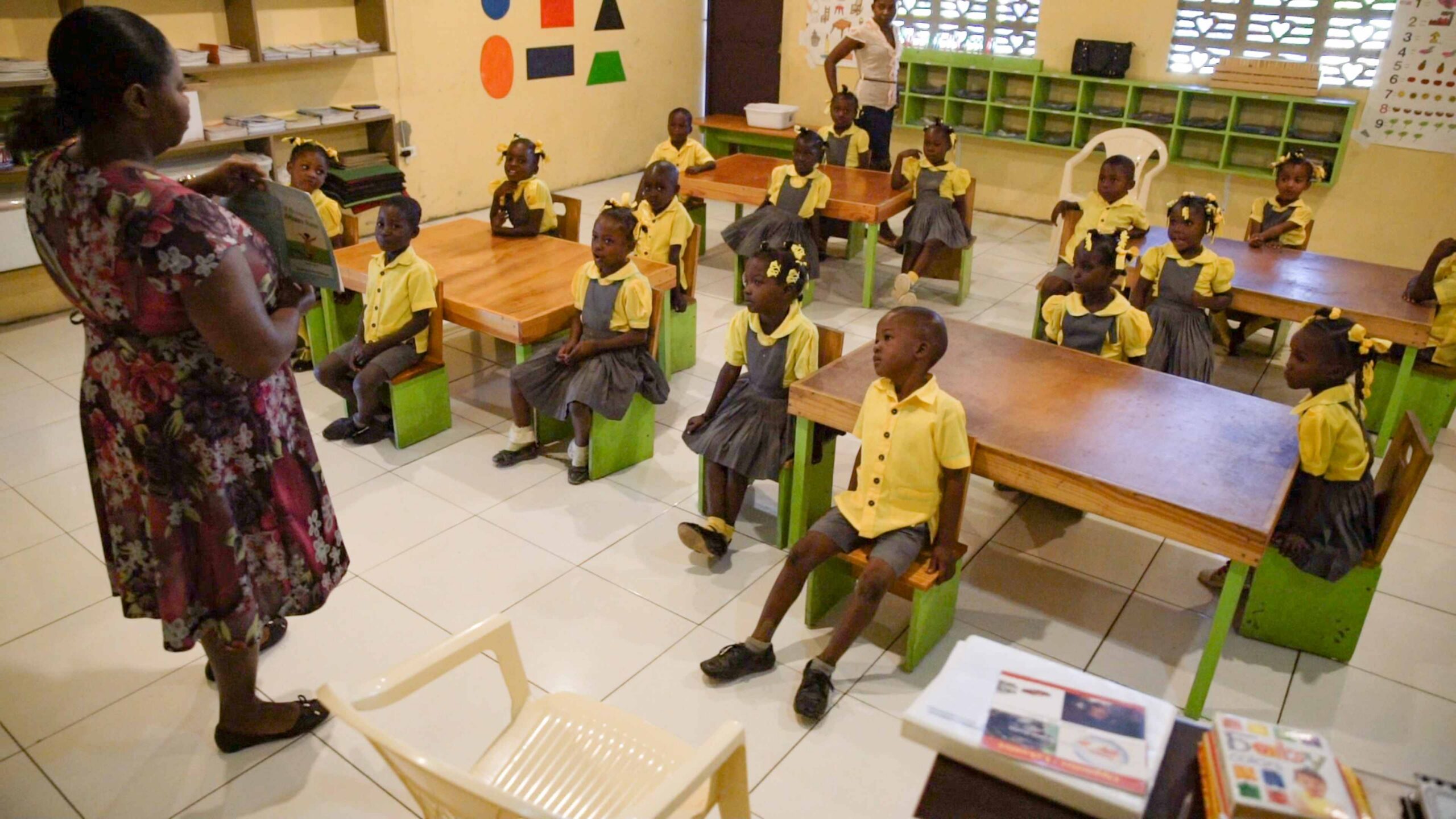
Deep within the Central Plateau of Haiti, inside a school classroom that shouldn’t be open given the ongoing national crisis, 218 children are receiving a consistent education. While widespread instability has crippled infrastructure across the country, a school in Sylvain achieved a 96% attendance rate last month, paired with a 100% tuition payment rate from local families and active volunteerism from 141 parents.
This success is not an accident. It is the direct result of a structural shift away from traditional, short-term foreign aid. By replacing standard charity handouts with a dual-framework development model, which funds international community infrastructure through domestic retail operations, Many Hands is demonstrating how international development can maintain operational resilience, even within complex environments.
During a live mission update, Many Hands leadership revealed key metrics across its territories in Haiti, Abaco (Bahamas), and the United States. The organization highlighted a centralized framework designed to solve two distinct challenges: resource scarcity on the international mission field and cultural distraction within domestic supporter bases.
How Does the Many Hands Non-Profit Model Work?
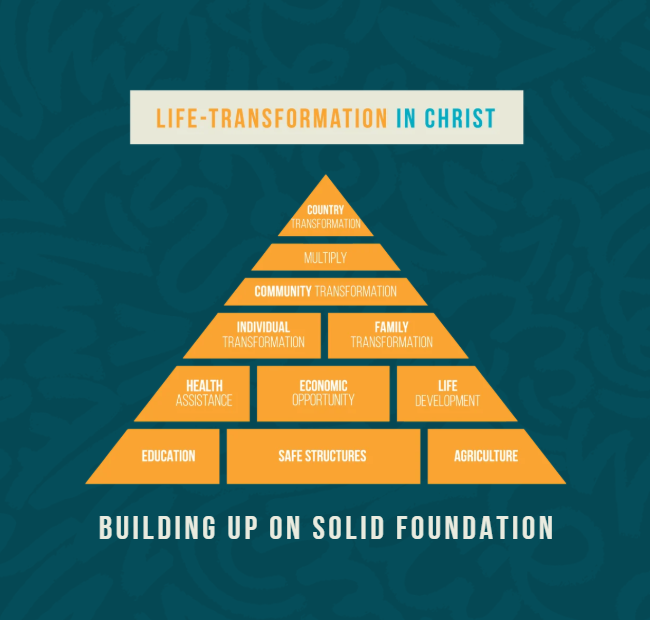
To address generational poverty, Many Hands relies on a strictly sequenced infrastructure model known as the “Pyramid of Stability.” Rather than executing isolated projects, programs are integrated across six foundational focus areas: Education, Safe Structures, Agriculture, Health Assistance, Economic Opportunity, and Life Development.
“We believe at our core that we are all called for life transformation in Christ,” stated Tim Brand, CEO of Many Hands. “But how we get to that looks a little bit different depending on where you are. In places like Haiti and the Bahamas, there are basic building blocks that must be established first.”
What Are the Recent Success Metrics in Haiti?
The impact of this approach is highly visible in the agricultural sector. In partnership with mothers who have graduated from the organization’s maternal health program, Many Hands currently supports 84 communal agricultural plots.
Key achievements from the first four months of this year include:
- Local Food Production: Local producers generated roughly six tons (12,000 pounds) of food, nearly matching the total agricultural volume generated across the entire previous calendar year.
- Disaster Feeding Programs: The Hope for Haiti feeding initiative distributed 851,562 meals to help stabilize families and refugees displaced by civil unrest.
- Durable Housing: Local Haitian construction crews built concrete homes featuring multiple bedrooms, tin roofing, and integrated latrines at a fixed cost of $5,500 to $6,000 per home. Beneficiary selections are managed through a strict lottery system to ensure absolute transparency.
How is Abaco Rebuilding After Hurricane Dorian?
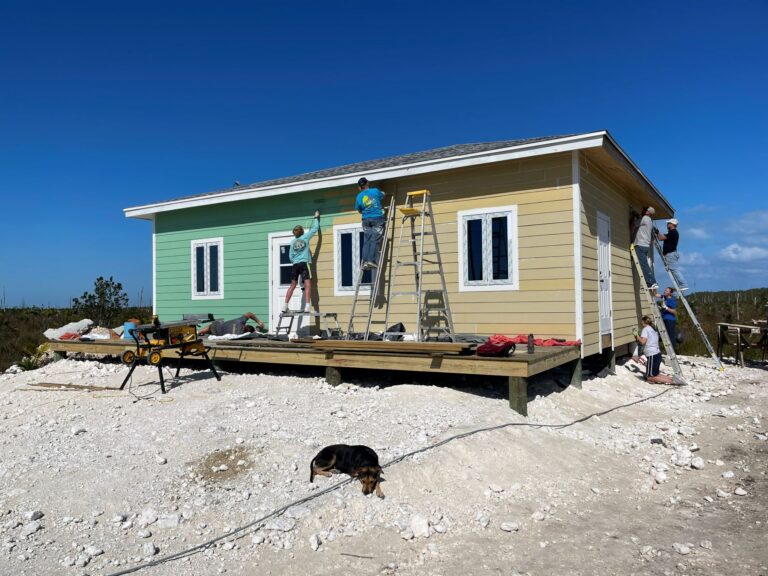
In Abaco, Bahamas, operations have transitioned from emergency disaster relief to long-term economic development. The organization recently finalized a comprehensive $1.3 million housing initiative, successfully delivering 31 safe homes built through a combination of international volunteers and local Bahamian carpenters.
With immediate shelter needs met, educational intervention has become the primary focus on the island. The Academic Recovery Program (ARK), operating out of Abaco’s largest public school, provides targeted instruction for students who have fallen behind grade level. This intervention is critical, as data reveals that 65% to 70% of the student population speaks Creole as their primary language, creating substantial linguistic barriers in standard English classrooms.
What is the Domestic Strategy and Thrift Expansion?
While the international strategy focuses on resource infrastructure, the domestic strategy addresses cultural distraction in the West. Through an intentional engagement funnel, Many Hands guides U.S. and Canadian supporters away from a consumer mindset and toward active, experiential discipleship.
This mobilization engine is heavily sustained by regional thrift markets in Iowa. These retail centers processed over three million items last year alone. April marked the highest-grossing sales month in the history of the retail division, with processing capacity increasing by 20% and store sales growing between 12% and 15% year-over-year.
How Does Many Hands Protect Donor Trust?
Following the loss of the Spencer, Iowa thrift location during a catastrophic regional flood, the organization is launching a specialized recurring donor initiative named “The Foundation.”

Historically, 100% of individual public donations went directly to international programs, with administrative overhead entirely absorbed by thrift store revenues. The Foundation invites mature, long-term investors to intentionally fund fixed operational costs, such as commercial insurance, shipping logistics, utilities, and leadership salaries, ensuring that the 100% direct-to-field giving model remains completely intact for all incoming project donors.
Looking Forward: How You Can Join the Next Update
As international teams prepare to deploy over 600 trip participants to Abaco this year, domestic advocacy efforts will center around the upcoming Impact Summit, scheduled for October 2, 2026, in West Des Moines, Iowa. This summit serves as a core leadership and networking event for business professionals, church leaders, and global advocates focusing on sustainable development models.
To ensure our entire community stays informed on these shifting field realities, Many Hands is opening up these live updates to the public. If you want to look under the hood of our global operations, pull up a chair, and ask questions directly to our executive team, you are invited to join us. Follow our Facebook and Instagram pages to catch the official announcement for our next live community call.
About Many Hands:
Many Hands is an Iowa-based nonprofit dedicated to transforming together, to be in action, in a broken world. We desire to walk alongside the community and empower individuals and families by focusing on education, agriculture, leadership, safe structures, youth programs, and early childhood development. Together, we can rebuild lives and restore hope, one person, one family, one community, at a time.